

The best time of year to replace a roof in Maryland is early fall, when temperatures are mild, humidity is lower, and weather patterns are more predictable. These conditions allow roofing materials to install and seal properly, helping reduce delays and support long-term performance. For homeowners planning a roof replacement in Maryland, fall often provides the best balance between efficiency, durability, and scheduling reliability.
That said, roofing projects in Maryland can be completed in other seasons as well. Spring, summer, and even winter each come with their own considerations. The right timing often depends on your roof’s condition, recent weather damage, and how urgently replacement is needed. Understanding how each season affects installation can help you plan with confidence.
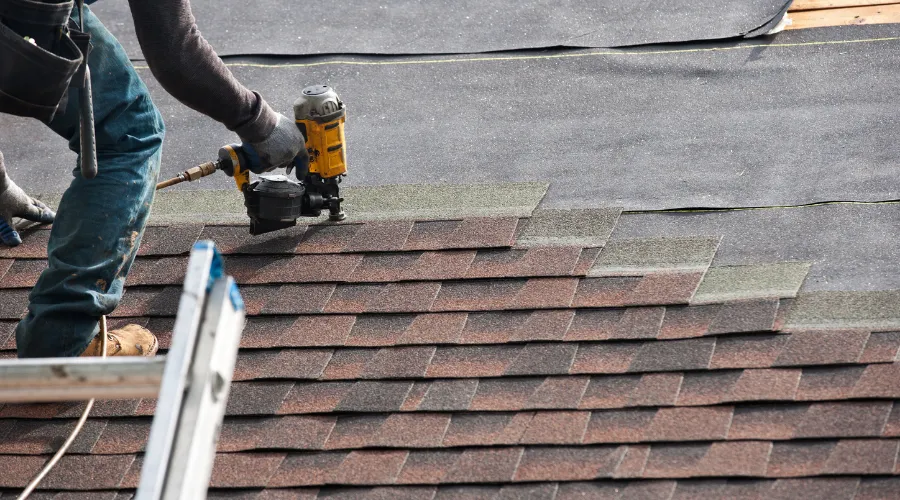
Fall Is the Best Time to Replace a Roof in Maryland
Early fall offers ideal conditions for roof replacement across most of Maryland. Daytime temperatures typically fall within the recommended range for asphalt shingles, which is crucial because shingles need moderate temperatures to remain flexible and bond correctly. Roofing experts note that asphalt shingles install best when temperatures stay above about 40 °F and well below extreme highs.
Lower humidity and reduced rainfall also make scheduling more reliable, which helps projects stay on track. Because fall is a popular season for roofing, planning ahead can help secure availability and avoid delays.
Spring Is a Strong Second-Best Option
Spring can be a good alternative, especially for homeowners addressing damage uncovered after winter. Moderate temperatures support proper installation, and inspections often reveal issues that need attention. Spring is frequently cited alongside fall as one of the best seasons for roofing due to its mild, more stable weather conditions.
However, early spring rain can affect timelines. Homeowners considering a spring replacement should expect some flexibility in scheduling.
Summer Roof Replacement: Pros and Cons
Summer offers dry conditions and longer daylight hours, which can help crews complete projects efficiently. Roof replacements are common during this time, particularly for homeowners working around busy schedules.
At the same time, high temperatures can make installations more challenging. Extreme heat may affect material handling and worker comfort, which is why experienced contractors take added precautions during summer projects.
Winter Roof Replacement: Only When Necessary
Winter is typically the least favorable time to replace a roof in Maryland, but some situations require immediate action. Storm damage, active leaks, or structural concerns may make waiting impractical.
Cold temperatures can slow installation and affect how shingles seal. While winter replacements are possible, they often require additional planning and weather-related flexibility.
Does Roofing Material Affect the Best Time of Year?
The type of roofing material on your home can also influence the best time for replacement. Asphalt shingles, which are common throughout Maryland, perform best when installed in moderate temperatures that allow proper sealing. This is one reason fall and spring are often recommended for shingle roof replacements.
Other materials, such as metal roofing, are less sensitive to temperature during installation and may allow for more flexibility throughout the year. Still, weather conditions like rain, snow, or extreme heat can affect scheduling and safety regardless of material. A professional assessment can help determine how material type factors into the timing of your roof replacement.
Factors That Matter More Than the Season
While timing plays a role, the condition of your roof is often more important than the season itself. Delaying replacement on a failing roof can lead to interior damage, insulation issues, and higher repair costs.
Common signs that replacement may be needed include:
- Persistent leaks or water stains
- Missing or curling shingles
- Sagging rooflines
- Granules collecting in gutters
- Rising energy bills linked to poor insulation
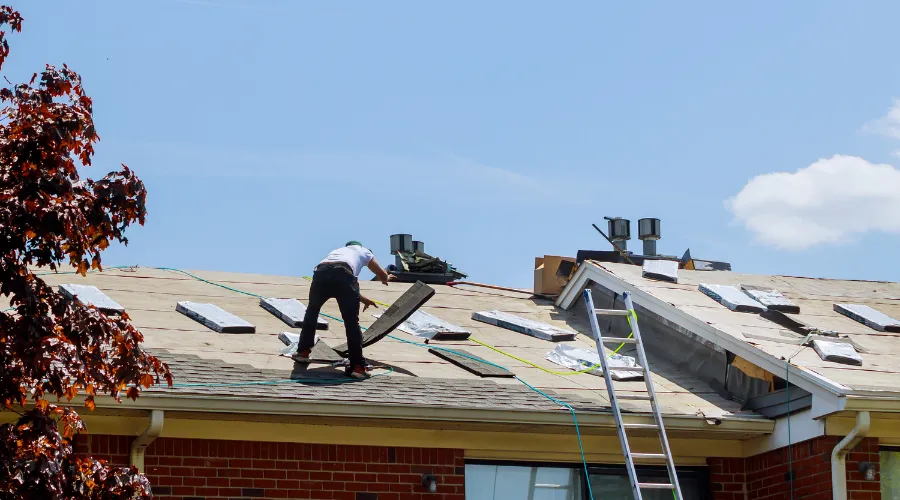
When Should You Schedule Your Roof Replacement?
If your roof is aging but still functional, planning for fall or spring is usually ideal. If damage is already present, moving forward sooner can help prevent more costly problems.
A professional inspection can help determine whether your roof can wait or requires immediate attention. Homeowners can schedule an appointment to have their roof evaluated and discuss the best timing based on current conditions.
Final Thoughts
Early fall is typically the best time of year to replace a roof in Maryland, with spring close behind. Still, every home is different, and the right timing depends on your roof’s condition and local weather patterns.
If you’re unsure when to move forward, speaking with a professional can help you make an informed decision. You can contact Clarksville Construction to schedule an evaluation and discuss the best timing for your roofing project.


