

Yes, you do need a permit to build an Accessory Dwelling Unit (ADU) in Maryland. The process typically requires obtaining a building permit from your local jurisdiction, ensuring compliance with zoning regulations, and undergoing inspections before occupancy. ADUs must follow local rules regarding size limits, parking, and entrances, and every county may impose slightly different requirements. In short, no matter where you live in Maryland, you will need to secure permits and demonstrate compliance with zoning and building codes before you can legally construct and occupy an ADU.
Understanding ADUs in Maryland
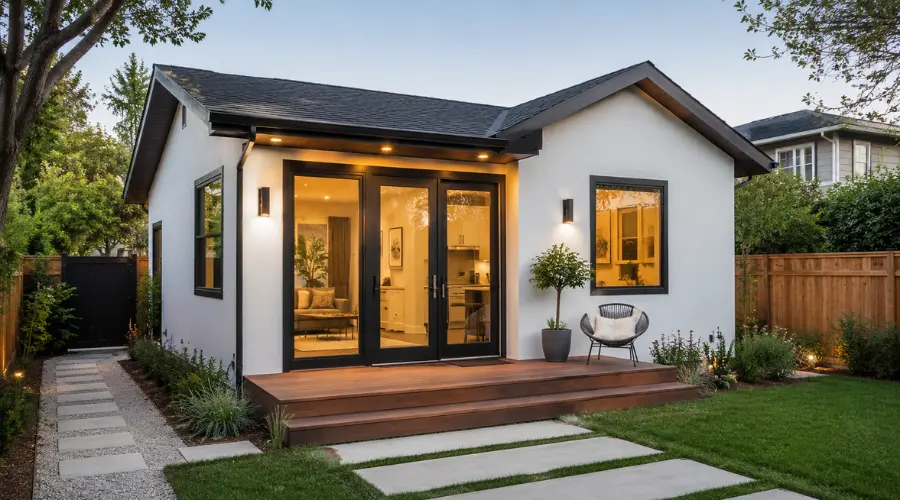
Accessory Dwelling Units, commonly called ADUs, are becoming increasingly popular across Maryland as homeowners look for more flexible living arrangements and additional property value. An ADU is a secondary residential unit located on the same lot as a primary residence. These units can take several forms, including detached backyard cottages, basement apartments, garage conversions, or additions connected to the main home.
ADUs are often used to house aging parents, adult children, long-term guests, or renters. As housing costs continue to rise, many Maryland homeowners view ADUs as a practical way to create extra living space while generating supplemental rental income.
Do You Need a Permit to Build an ADU in Maryland?
Yes, homeowners typically need permits to build an ADU in Maryland. Most counties require zoning approval, building permits, inspections, and compliance with local land use regulations before construction can begin.
Permits help ensure that the ADU is safe, structurally sound, and compatible with the surrounding neighborhood. Maryland counties use the permitting process to confirm that the unit complies with building codes, setback requirements, parking regulations, environmental protections, and occupancy standards.
Building an ADU without permits can create serious issues for homeowners. Unpermitted structures may result in fines, failed inspections, legal complications during resale, or even forced removal of the structure.
Why Maryland Requires ADU Permits
Maryland counties require permits because ADUs impact more than just the property owner. Local governments must ensure that these units do not create safety hazards or negatively affect neighborhood infrastructure.
The permitting process helps confirm that the ADU meets Maryland residential building standards, electrical and plumbing codes, fire safety regulations, and environmental requirements. Counties also review whether the lot has enough space to support an additional dwelling unit while maintaining appropriate setbacks and parking availability.
Many counties also enforce owner-occupancy requirements, meaning the homeowner must live in either the primary residence or the ADU if one of the units is rented out.
The ADU Permit Process in Maryland
The process of building an ADU in Maryland usually starts with zoning review. Before construction plans can move forward, the county planning department must determine whether the property qualifies for an accessory dwelling unit under local zoning regulations.
Once zoning approval is granted, homeowners must submit architectural drawings and site plans that show the size, layout, and placement of the proposed ADU. Counties often require detailed information about utilities, entrances, parking, lot coverage, and setbacks.
After plan submission, the building permit application enters formal review. Depending on the project, additional permits may also be required for electrical work, plumbing, HVAC systems, and fire protection features.
Throughout construction, Maryland counties require inspections to verify that the work matches approved plans and complies with code requirements. These inspections typically cover framing, electrical systems, plumbing, fire safety, insulation, and structural integrity. Once the project passes final inspection, the county issues a Certificate of Occupancy allowing the ADU to be legally inhabited.
ADU Rules Can Vary by Maryland County
Although Maryland generally supports ADU development, individual counties have their own regulations regarding size limits, parking requirements, zoning restrictions, and owner occupancy.
Montgomery County ADU Regulations
Montgomery County is considered one of the more ADU-friendly counties in Maryland, but the approval process remains detailed. Detached ADUs are generally limited to 1,200 square feet, and homeowners must comply with zoning review requirements to confirm setbacks and lot coverage compliance.
The county typically requires at least one off-street parking space unless the property is located near public transit. Additional permits are also required for plumbing, electrical, fire protection, and HVAC work.
Anne Arundel County ADU Regulations
Anne Arundel County allows ADUs but places a strong emphasis on environmental protections and owner occupancy requirements. Homeowners must often comply with stormwater management rules and tree conservation standards before permits are approved.
Zoning restrictions and setback requirements can vary significantly depending on the neighborhood and lot size, making early consultation with the county zoning office especially important.
Howard County ADU Regulations
Howard County permits ADUs under strict zoning oversight and generally limits detached units to approximately 1,000 to 1,200 square feet depending on the zoning district. The county also commonly requires one off-street parking space for the ADU.
Projects must go through both planning and zoning review before building permit approval can proceed.
Carroll County ADU Regulations
Carroll County has historically maintained more restrictive ADU policies than some neighboring counties. Not all zoning districts allow accessory dwelling units, which makes zoning verification one of the first and most important steps for homeowners considering an ADU project.
The county also reviews projects to ensure they maintain the character of surrounding residential and rural areas.
Baltimore County ADU Regulations
Baltimore County allows multiple ADU types, including basement apartments, garage conversions, and detached backyard cottages. However, the county continues to regulate unit size, parking, environmental impact, and owner occupancy carefully.
In environmentally sensitive areas, additional stormwater management and watershed protection requirements may apply.
Common ADU Requirements in Maryland
While county rules differ, several requirements appear consistently across Maryland jurisdictions.
One of the most common is the owner-occupancy rule. In many counties, if the ADU is rented, the property owner must live either in the primary residence or within the ADU itself. This rule is intended to maintain neighborhood stability and reduce absentee ownership.
Maryland counties also place significant emphasis on environmental protection. Depending on the property location, homeowners may need to submit stormwater management plans, preserve existing trees, or comply with watershed regulations designed to minimize environmental impact.
Ignoring these requirements can delay approvals, increase project costs, or lead to permit denials.
Types of ADUs That Require Permits
Nearly all ADU types require permits in Maryland, regardless of whether the unit is attached or detached.
Detached ADUs such as backyard cottages typically undergo the most extensive zoning and building review because they involve new standalone structures. Garage conversions also require permits, especially when plumbing, electrical systems, or HVAC modifications are involved.
Basement apartments must comply with residential safety requirements, including proper ventilation, emergency egress windows, and fire separation standards. Home additions that create secondary living spaces are generally treated as new residential construction projects and require full permitting review.
Financial Benefits of Building an ADU
Despite the permitting process, many homeowners see ADUs as a worthwhile long-term investment. Accessory dwelling units can create rental income opportunities, increase property functionality, and support multigenerational living arrangements.
Maryland has also continued exploring ways to expand ADU accessibility as part of broader affordable housing initiatives. Legislative efforts such as Senate Bill SB 382 helped establish an ADU Task Force focused on streamlining regulations and encouraging more consistent standards across counties.
As demand for flexible housing continues to grow, ADUs are likely to remain an increasingly important part of Maryland’s residential landscape.
Final Thoughts on Maryland ADU Permits
If you are considering building an ADU in Maryland, working with an experienced contractor can help simplify the permitting and construction process from start to finish. From zoning research and design planning to permit approvals and final inspections, the right team can help ensure your ADU is built safely, legally, and efficiently. Contact Clarksville Construction today to discuss your ADU project and learn how to turn your property into a functional, valuable living space.


