

Homeowners in Maryland often reach a point where they need more living space. Whether it’s a growing family, the need for a home office, or simply wanting a larger and more functional home, expanding your living space is a common goal. Two of the most popular ways to achieve this are converting an unused attic into living space or building a full home addition.
Both options can increase a home’s value, but they differ significantly in cost, construction complexity, and potential return on investment. Understanding the advantages and limitations of attic conversions and home additions can help homeowners decide which renovation delivers the most value for their property.
Clarksville Constructionn works with homeowners across Maryland to design and build both types of projects, helping clients choose the option that fits their budget, goals, and long-term plans.
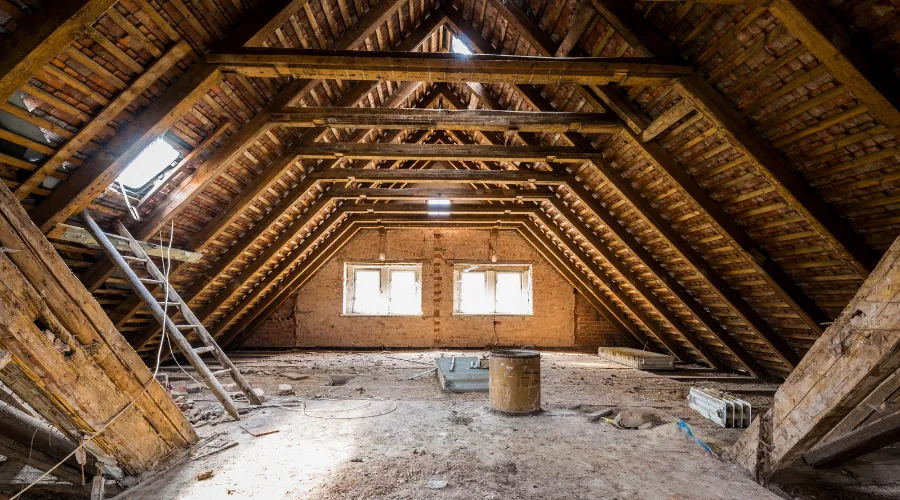
Understanding Attic Conversions
An attic conversion transforms unused attic space into functional living space such as a bedroom, home office, playroom, or guest suite. Because the structure of the home is already in place, attic renovations are often more straightforward than building an entirely new addition.
Most attic conversions involve adding insulation, flooring, drywall, lighting, HVAC connections, and sometimes dormer windows or skylights. If the attic meets height and structural requirements, the space can be converted into a fully finished room that counts toward the home’s usable square footage.
One of the biggest advantages of attic conversions is that they use space that already exists in the home. This means the project usually avoids building a new foundation or expanding the home’s footprint, which reduces both cost and construction time.
In many cases, attic conversions can increase a home’s value significantly. Studies suggest that converting an attic into livable space can increase a property’s value by as much as 20 percent depending on the market and the quality of the renovation.
For Maryland homeowners in competitive housing markets, turning unused attic space into functional living space can make a home more attractive to buyers.
What Is a Full Home Addition?
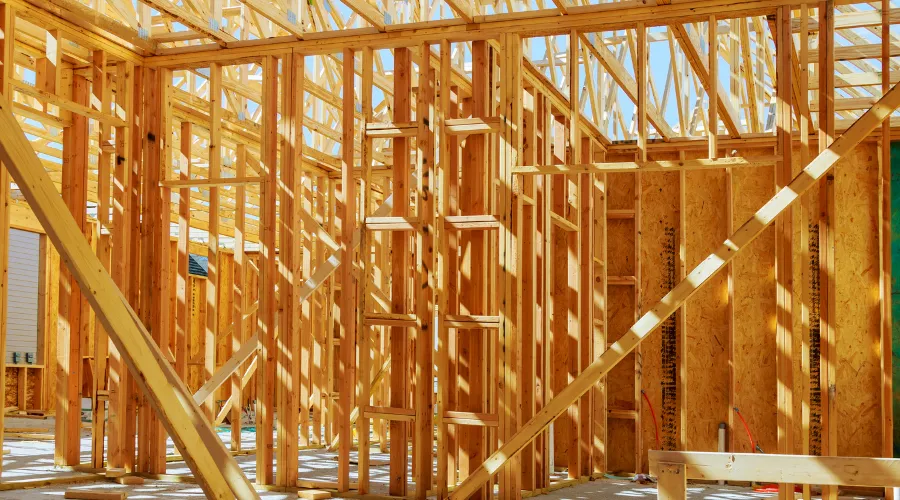
A full home addition involves expanding the footprint of the house to create entirely new living space. This may include adding a new bedroom, expanding the kitchen, building a sunroom, or constructing a new primary suite.
Unlike attic conversions, home additions require new structural construction. Contractors must build foundations, frame new walls, install roofing systems, and connect plumbing and electrical systems to the existing home.
Because additions involve building new space from the ground up, they offer greater flexibility. Homeowners can design the new area exactly how they want it, including adding large rooms, high ceilings, or luxury features that may not fit in an attic space.
However, the increased flexibility also comes with higher costs and longer construction timelines.
Return on Investment and Resale Value
Return on investment (ROI) is another important factor when evaluating which renovation adds more value.
Attic conversions typically provide a strong ROI because they create new usable space without the high cost of expanding the home’s structure. Research shows that finishing an attic can produce an average return on investment of around 56 percent at resale.
Some remodeling reports suggest attic renovations can recover as much as 65 to 75 percent of their cost when the home is sold, especially when the conversion creates a bedroom or additional living area.
Home additions can also increase property value significantly, particularly when they add highly desirable features such as a larger kitchen, additional bedroom, or primary suite. Because additions increase the home’s total square footage, they can have a major impact on resale value.
However, additions often cost more than the value they add in the short term. The higher construction cost means the financial return may be lower compared to smaller renovation projects.
In many cases, attic conversions provide a higher percentage return while additions create greater overall value due to the larger amount of new living space.
Construction Timeline and Disruption
Another key difference between attic conversions and home additions is how long the project takes.
Attic conversions usually move faster because the structure already exists. Most attic projects can be completed in four to eight weeks depending on design complexity and permitting requirements.
Home additions often take much longer. Since they involve foundation work, structural framing, and exterior construction, additions can take several months to complete.
During construction, homeowners may also experience more disruption with additions because the project involves exterior demolition and rebuilding.
For homeowners looking for a faster renovation with less disruption to daily life, attic conversions are often the more convenient option.
Design Flexibility and Space Potential
While attic conversions are cost-effective, they do have design limitations.
Attics must meet specific building code requirements for ceiling height, access, and emergency egress in order to be converted into living space. If the roofline is too low or the structure requires major reinforcement, the project can become more complicated.
Home additions provide much greater design flexibility. Homeowners can add large rooms, open floor plans, vaulted ceilings, or even multiple rooms depending on the available space and zoning regulations.
For families needing significant additional square footage or specialized rooms such as expanded kitchens or living areas, a home addition may be the better solution.
Zoning, Permits, and Property Considerations
Local zoning regulations in Maryland also play a role in determining which project is possible.
Home additions must follow setback requirements, lot coverage limits, and other local zoning rules that control how much of the property can be built on. In some cases, these restrictions limit the size or location of an addition.
Attic conversions often avoid many of these issues because they do not change the home’s footprint. Since the project takes place within the existing structure, it may be easier to obtain permits compared to a large addition.
However, attic conversions still require building permits and inspections to ensure the space meets structural and safety codes.
Working with experienced contractors familiar with Maryland building regulations helps ensure these requirements are handled correctly.
Which Option Adds More Value?
The answer depends on the homeowner’s goals.
Attic conversions typically provide a higher return on investment because they cost less while still adding valuable living space. They are ideal for homeowners who want additional bedrooms, offices, or guest rooms without the expense of building new square footage.
Full home additions tend to create more total value because they add significant square footage and can dramatically transform the layout of the home. However, they require a larger investment and longer construction timelines.
In many cases, the best option depends on the structure of the home, the available attic space, the homeowner’s budget, and long-term lifestyle needs.
Planning Your Renovation with Clarksville Construction
Whether you are considering an attic conversion or a full home addition, planning the project with experienced professionals is essential. Every home has unique structural characteristics, zoning requirements, and design opportunities that affect which renovation option makes the most sense.
Clarksville Construction specializes in custom home renovations throughout Maryland, including attic conversions, home additions, and whole-home remodeling projects. Their design-build approach helps homeowners explore all possibilities and create solutions that maximize both function and property value.
If you are deciding between an attic conversion and a home addition, the team at Clarksville Construction can help you evaluate your home, understand the potential costs and returns, and design a renovation that fits your goals. Contact Clarksville Construction today to start planning a project that adds both space and long-term value to your Maryland home.


