

Large home remodeling projects can be exciting but also complex. Whether you are planning a major kitchen expansion, a full-home renovation, or a multi-room addition, one of the most important decisions homeowners face is choosing the right type of contractor.
In Maryland, two common approaches for major renovations are hiring a design-build firm or working with a traditional general contractor. While both can successfully complete remodeling projects, the structure, communication, and overall experience can be very different.
Understanding how these two approaches work can help homeowners choose the best option for large remodeling projects. Companies like Clarksville Construction use a design-build approach that integrates planning, design, and construction into a single process, which can simplify complex renovations and reduce many of the challenges homeowners often face.
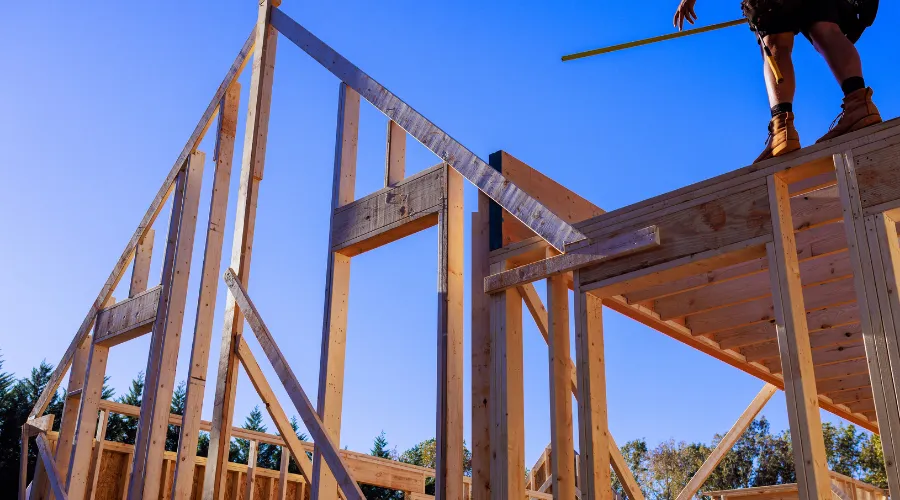
Understanding the Design-Build Approach
The design-build model is a project delivery method where one company manages both the design and construction phases of a project. Instead of hiring an architect, designer, and contractor separately, homeowners work with a single team that handles the entire process from concept to completion.
In a design-build renovation, the same firm is responsible for planning the layout, creating the architectural design, selecting materials, obtaining permits, and managing construction. Designers, project managers, and builders collaborate from the beginning to ensure the project is both functional and feasible.
This integrated approach creates a streamlined experience for homeowners. Rather than coordinating multiple professionals, the homeowner communicates with one team that oversees the entire project.
For large remodels, this structure can significantly simplify project management and reduce the risk of delays caused by miscommunication between separate design and construction teams.
How Traditional General Contractors Work
The traditional remodeling approach is often called design-bid-build. In this model, the homeowner first hires an architect or designer to create plans for the renovation. Once the design is complete, the homeowner requests bids from general contractors and hires one to complete the construction.
A general contractor primarily focuses on the construction phase. They coordinate subcontractors, manage scheduling, and ensure the project is built according to the plans provided by the architect or designer.
This model can work well for certain projects, especially when homeowners already have detailed architectural plans. However, it also means the homeowner often acts as the connection point between the designer and the builder.
For large renovations with many moving parts, managing multiple contracts and coordinating communication between teams can become complicated.
Communication and Project Coordination
Communication is one of the biggest differences between the two approaches.
With a design-build firm, the design team and construction team work together from the beginning of the project. Because everyone is part of the same company, collaboration happens naturally and decisions can be made quickly.
This often leads to fewer misunderstandings and smoother project coordination. Designers understand construction limitations, and builders are involved in design decisions that affect cost and feasibility.
In the traditional contractor model, communication flows between separate companies. If changes need to be made during construction, the contractor may need to consult with the architect or designer before moving forward.
This back-and-forth process can sometimes lead to delays or additional costs when adjustments are required.
For large remodeling projects that involve structural changes, layout modifications, and detailed planning, streamlined communication can make a major difference.
Budget Planning and Cost Transparency
Budget management is another area where the two approaches differ.
In traditional remodeling projects, the full construction cost is often not known until contractors submit bids after the design phase is complete. If the bids come in higher than expected, homeowners may need to revise the design or rebid the project, which can add time and cost.
Design-build projects typically incorporate budgeting much earlier. Because the builders are involved during the design phase, the team can evaluate material choices, structural changes, and construction complexity while the design is still being developed.
This allows homeowners to make design decisions based on real construction costs, which can reduce surprises later in the project.
For large remodels where budgets can quickly increase, early cost planning is often a significant advantage.
Project Timeline and Efficiency
Large remodeling projects can take several months, and the delivery method can affect how quickly the project moves forward.
The design-build model often allows design and construction phases to overlap, which can shorten the overall timeline. For example, site preparation or structural planning may begin while final interior design details are still being completed.
Because the entire team works together from the start, problems can be addressed earlier and delays can be minimized.
Traditional remodeling follows a sequential process: design first, bidding second, and construction third. Each phase must be completed before the next begins, which can extend the project timeline.
Some studies suggest that design-build projects can be completed significantly faster than traditional methods because of this integrated workflow.
For homeowners eager to complete major renovations quickly, this difference can be important.
Flexibility and Design Control
Although design-build offers many advantages, some homeowners prefer the traditional model for specific reasons.
In a traditional project, homeowners may work closely with an independent architect to create highly customized designs before choosing a contractor. This can provide more design flexibility and allow homeowners to choose from multiple builders through competitive bidding.
Design-build firms may offer slightly less flexibility in this area because the design and construction teams operate within the same company. However, many design-build firms still provide extensive customization and creative design solutions.
The right approach often depends on how involved homeowners want to be in coordinating different professionals and managing multiple contracts.
Which Is Better for Large Remodels?
Both approaches can work successfully, but large remodeling projects often benefit from the design-build model.
When renovations involve multiple rooms, structural modifications, additions, or major layout changes, coordination between designers and builders becomes extremely important.
The design-build approach simplifies this process by bringing the entire team together under one roof. This structure often leads to better collaboration, faster timelines, and clearer communication throughout the project.
Traditional contractors can still be an excellent choice for projects with completed architectural plans or homeowners who want to manage the design and construction teams separately.
However, many homeowners planning complex renovations prefer the convenience and efficiency of a unified design-build team.

Planning Your Remodel with Clarksville Construction
Choosing the right remodeling approach can make a major difference in the success of your renovation. Large home remodeling projects involve careful planning, budgeting, and coordination between designers, builders, and homeowners.
Clarksville Construction specializes in design-build remodeling across Maryland, offering a streamlined process that takes projects from initial concept to final construction. Their team works closely with homeowners to design functional, beautiful spaces while ensuring the construction process runs smoothly.
Whether you are planning a full home renovation, a large addition, or a major kitchen remodel, working with an experienced design-build team can simplify the process and help ensure the final result matches your vision.
If you are considering a large remodeling project in Maryland, visit Clarksville Construction to learn more about their design-build services and schedule a consultation to start planning your renovation.


