

In Maryland, most homeowners should plan to replace their roof every 20 to 30 years, depending on the roofing material, local climate conditions, and how well the roof has been maintained. While this timeline works as a general guideline, some roofs may need replacement sooner due to weather exposure, storm damage, or age-related wear.
Understanding how often you should replace your roof helps you avoid unexpected leaks, interior damage, and costly emergency repairs. Knowing what affects roof lifespan — and what warning signs to watch for — allows homeowners to plan ahead with confidence.
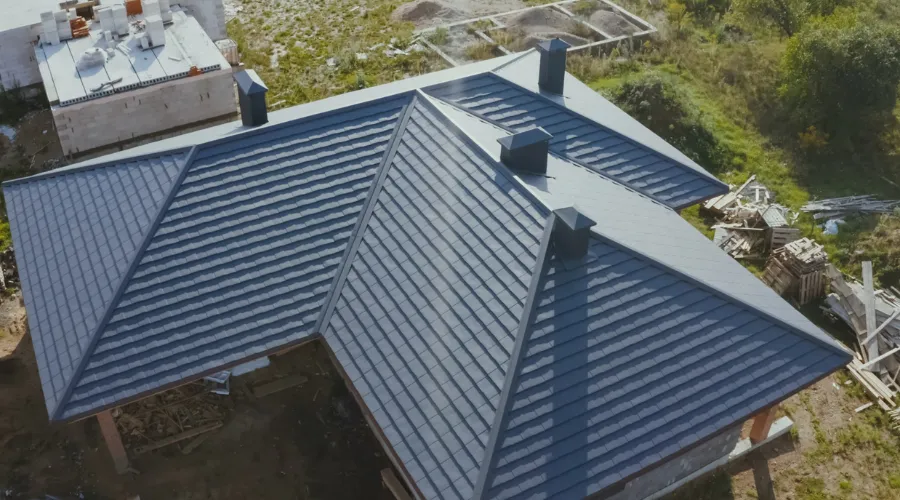
Average Roof Replacement Timelines by Material
Roofing material plays a major role in how frequently a roof needs to be replaced.
Asphalt shingles are the most common roofing material in Maryland and typically last 20 to 30 years. Architectural shingles often fall toward the higher end of that range, while standard three-tab shingles may wear out sooner. You can learn more about material performance in this guide on which roofing materials are best for Maryland homes.
Metal roofing generally lasts longer, often 40 years or more, though it still requires routine inspections. Tile and slate roofs can last even longer but may involve higher upfront costs and structural considerations.
How Maryland’s Climate Impacts Roof Longevity
Maryland’s climate can shorten or extend a roof’s lifespan depending on exposure. Hot, humid summers can accelerate shingle aging, while winter freeze-thaw cycles increase the risk of cracking and moisture intrusion.
Severe weather events — including heavy rain, high winds, and occasional snow or ice — also contribute to long-term wear. Over time, this exposure can weaken roofing systems, especially when minor issues go unaddressed.
Signs Your Roof May Need Replacement Sooner
Age alone doesn’t determine when a roof should be replaced. In many cases, visible damage or recurring issues signal that replacement may be necessary earlier.
Common signs include:
- Persistent or recurring leaks
- Curling, cracked, or missing shingles
- Granules collecting in gutters or downspouts
- Sagging areas along the roofline
- Rising energy bills caused by poor insulation
If leaks or surface damage are localized, repairs may help temporarily, but widespread issues often indicate the need for replacement. For homeowners experiencing active leaks, this guide on how to repair a roof leak explains why early action matters.
Can Roof Repairs Extend Its Lifespan?
In some situations, repairs can extend the life of a roof — especially when damage is isolated and the roof is otherwise in good condition. Addressing small issues early can help delay replacement and reduce long-term costs.
However, as a roof approaches the end of its expected lifespan, frequent repairs may offer diminishing returns. In many cases, homeowners find that ongoing repairs become more expensive than planning a full replacement. Understanding how much roof repair costs in Maryland can help put that decision into perspective.

How Maintenance Affects Roof Replacement Timing
Routine maintenance can have a meaningful impact on how long a roof lasts. Keeping gutters clear, trimming overhanging branches, and scheduling regular inspections can help prevent premature deterioration.
Annual inspections — and inspections after major storms — allow potential issues to be addressed early. Proper maintenance doesn’t eliminate the need for eventual replacement, but it can help homeowners get the most value out of their roof.
When Should You Plan for Roof Replacement?
So, how often should you replace your roof in Maryland? For most homes, every 20 to 30 years is a reasonable expectation, but climate, material choice, maintenance, and storm exposure all play important roles. If your roof is approaching 20 years old, planning ahead is a smart move, even if there are no obvious problems yet. Replacing a roof before failure allows for better scheduling, fewer disruptions, and reduced risk of interior damage.
Homeowners who are unsure about their roof’s condition may benefit from a professional evaluation. You can schedule an appointment to have your roof inspected and determine whether replacement is needed now or can be planned for the future. Taking a proactive approach helps protect your home and gives you more control over timing, costs, and long-term performance.


