

Roof damage is one of the most stressful issues a homeowner can face, especially when insurance is involved. Understanding how roofing insurance works can make the process far less overwhelming and help homeowners make informed decisions when repairs or replacement are needed.
While coverage details vary by policy, most homeowners insurance plans include some level of protection for roof damage. Knowing what is typically covered, what is excluded, and when it makes sense to file a claim can help prevent unexpected costs or delays. For homeowners navigating storm damage, Clarksville Construction also explains how insurance can help cover roof replacement in Maryland.
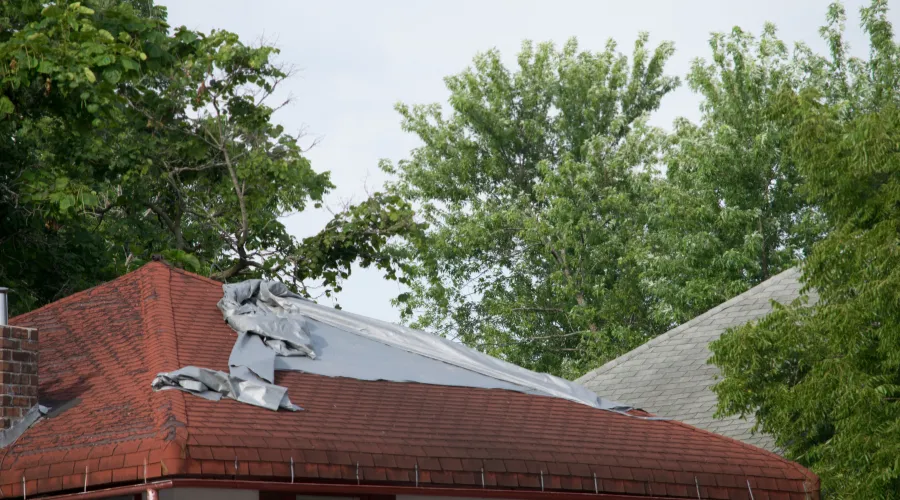
What Is Roofing Insurance?
Roofing insurance isn’t a separate policy—it’s part of a standard homeowners insurance plan. This coverage helps pay for roof repairs or replacement when damage is caused by a covered event, such as severe weather or falling debris.
Insurance companies generally evaluate roof claims based on the cause of the damage, the age and condition of the roof, and the type of coverage listed in the policy. Understanding these factors ahead of time can help set realistic expectations if damage occurs.
What Roofing Insurance Typically Covers
Most homeowners insurance policies cover roof damage caused by sudden and accidental events. Common examples include storm-related damage such as wind, hail, heavy rain, or fallen trees. In some cases, damage caused by fire or vandalism may also be included.
Coverage is typically based on whether the damage was unavoidable and not related to neglect or long-term wear. Insurance adjusters closely review how the damage occurred before approving a claim.
What Roofing Insurance Usually Does Not Cover
While insurance can provide important protection, it does not cover every roofing issue. Damage caused by normal aging, poor maintenance, or gradual deterioration is typically excluded. Leaks that develop over time or problems caused by improper installation are also unlikely to be covered.
If a roof is near the end of its expected lifespan, coverage may be reduced or denied altogether. Homeowners considering replacement may find it helpful to understand how much roof replacement costs in Maryland when evaluating next steps.
Actual Cash Value vs Replacement Cost Coverage
One of the most important details in a roofing insurance policy is how claim payouts are calculated.
Some policies use actual cash value (ACV), which accounts for depreciation based on the roof’s age and condition. Others offer replacement cost value (RCV) coverage, which reimburses the cost to replace the roof with similar materials, minus the deductible.
Understanding which type of coverage applies can significantly affect out-of-pocket costs after a claim is approved.
How Roofing Insurance Deductibles Work
A deductible is the amount a homeowner is responsible for paying before insurance coverage applies. Roofing deductibles may be a flat dollar amount or a percentage of the home’s insured value.
In Maryland, storm-related claims often come with higher deductibles, particularly for wind or hail damage. Reviewing deductible terms in advance can help homeowners decide whether filing a claim makes financial sense.

When It Makes Sense to File a Roofing Insurance Claim
Not every roofing issue warrants an insurance claim. In many cases, minor repairs or isolated damage may cost less than the deductible, making out-of-pocket repairs the more practical option. Filing a claim in these situations can sometimes lead to higher premiums without meaningful financial benefit.
Insurance claims tend to make more sense when damage is widespread, sudden, or clearly tied to a covered event such as a major storm. Structural concerns, missing shingles across large sections of the roof, or visible water intrusion often justify involving an insurance provider. When the extent of damage is unclear, a professional inspection can help homeowners determine whether filing a claim is appropriate before taking the next step.
How a Roofing Contractor Can Help With Insurance Claims
Working with an experienced roofing contractor can help simplify the insurance process. Contractors can identify storm-related damage, provide detailed inspections, and explain repair or replacement options clearly.
Accurate documentation and clear communication can reduce delays and help ensure repairs align with both insurance requirements and long-term performance needs.
Planning Ahead for Roofing Insurance Issues
Roofing insurance is most effective when homeowners understand their coverage before damage occurs. Reviewing policy details, scheduling routine inspections, and addressing small issues early can help protect both the roof and the home.
If questions arise about roof damage or insurance-related repairs, homeowners can request a consultation with Clarksville Construction to discuss available options and determine the best path forward.


